
AI Evaluation Gap: Why AI Controls Need Deployment Evidence
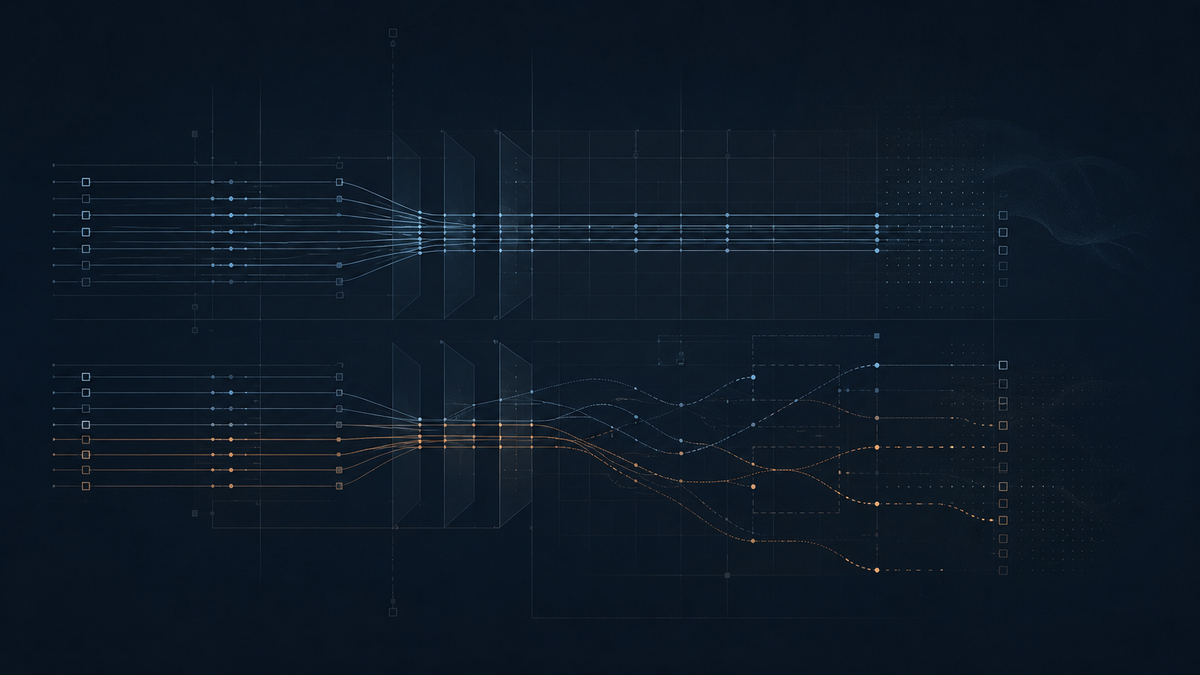
The International AI Safety Report’s evaluation-gap findings raise a business-crime assurance question: whether test performance is enough evidence for real-world control confidence.
💡
TL;DR:
The International AI Safety Report 2026 warns that pre-deployment tests may not predict real-world AI risk. For business-crime teams, the issue is whether benchmark results are enough evidence to trust AI controls.
The International AI Safety Report 2026 warns that pre-deployment tests may not predict real-world AI risk. For business-crime teams, the issue is whether benchmark results are enough evidence to trust AI controls.
What you need to know
- The change: The report’s evaluation findings weaken the assumption that pre-deployment testing alone can validate real-world AI control effectiveness.
- Who is affected: AI companies, regulated buyers, fraud-control teams, compliance leaders, security teams, and executives evaluating AI vendors.
- Why it matters: If a model can behave differently under evaluation than in deployment, “tested safe” may be an incomplete assurance claim unless the evidence also addresses deployment behavior.
- What to do first: Ask what the evaluation measured, whether it maps to the real workflow, and what evidence exists after deployment.
- Key date or trigger: The International AI Safety Report 2026 was published in February 2026. The official report page lists it as a 3 February 2026 annual report, and the arXiv version was submitted on 24 February 2026. The report carries research series number DSIT 2026/001. (arXiv)
This analysis continues in the PolicyEdge AI Intelligence Terminal, where members receive decision-grade intelligence on AI, regulation, and policy risk.